پراڊڪٽ جي معلومات
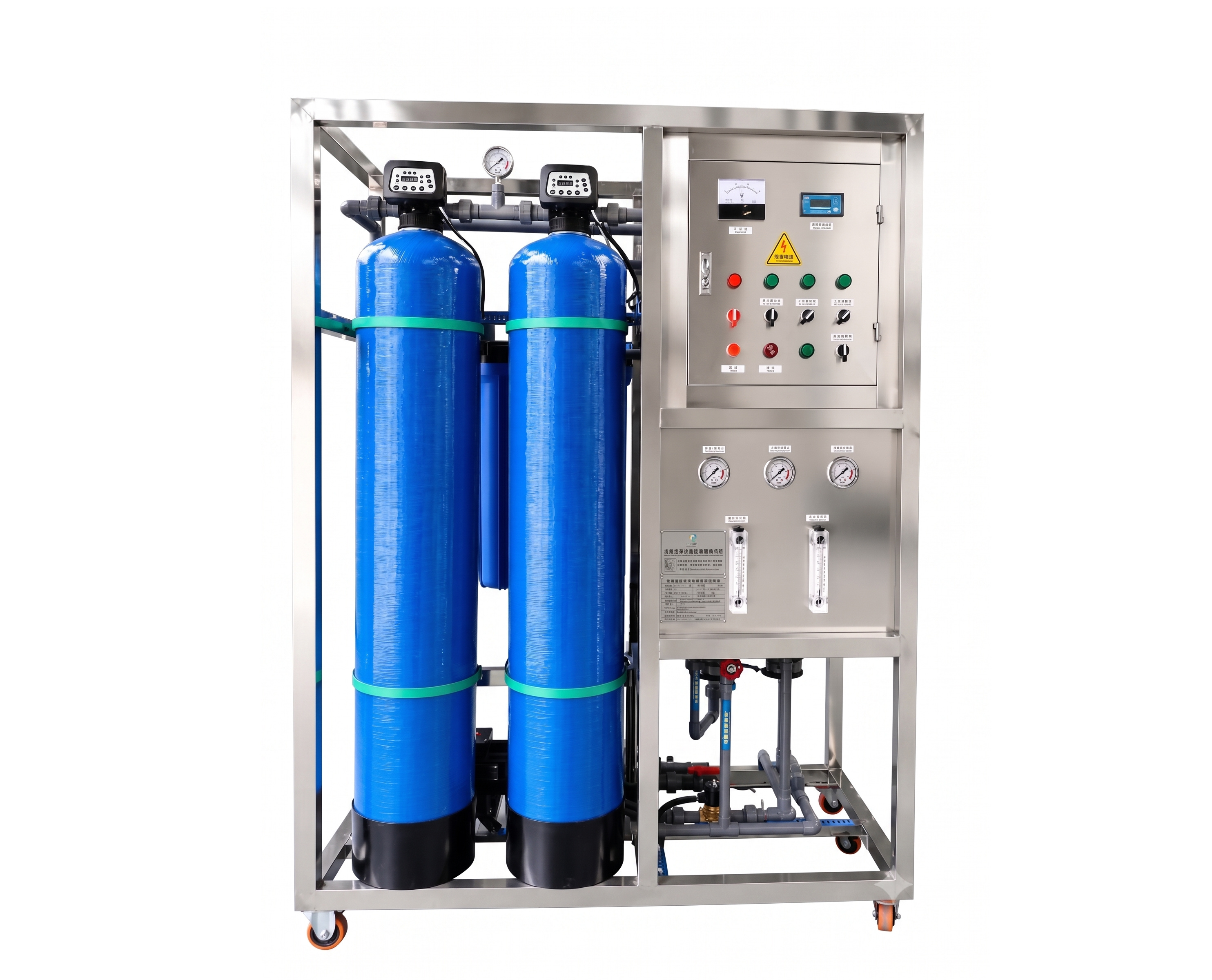
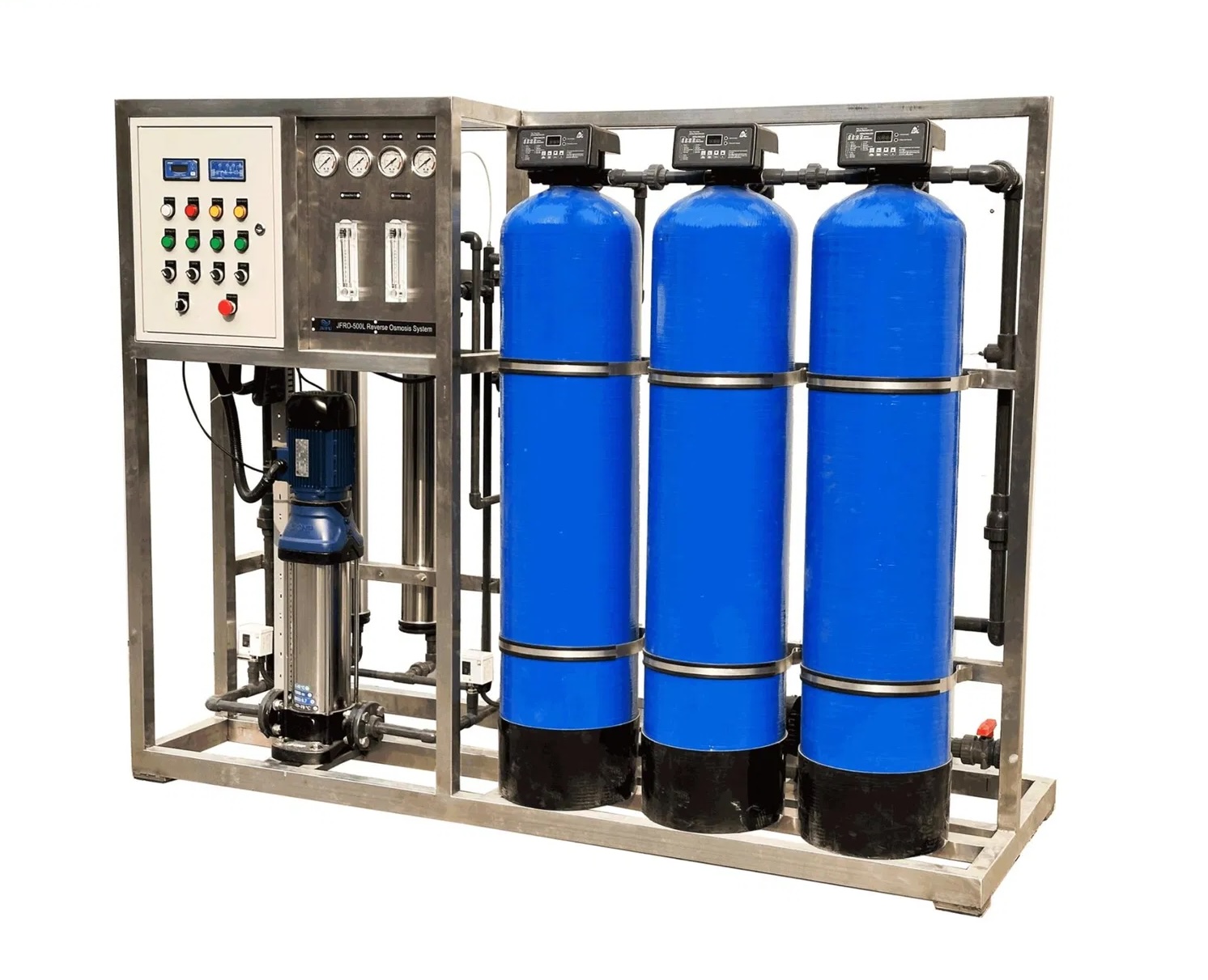
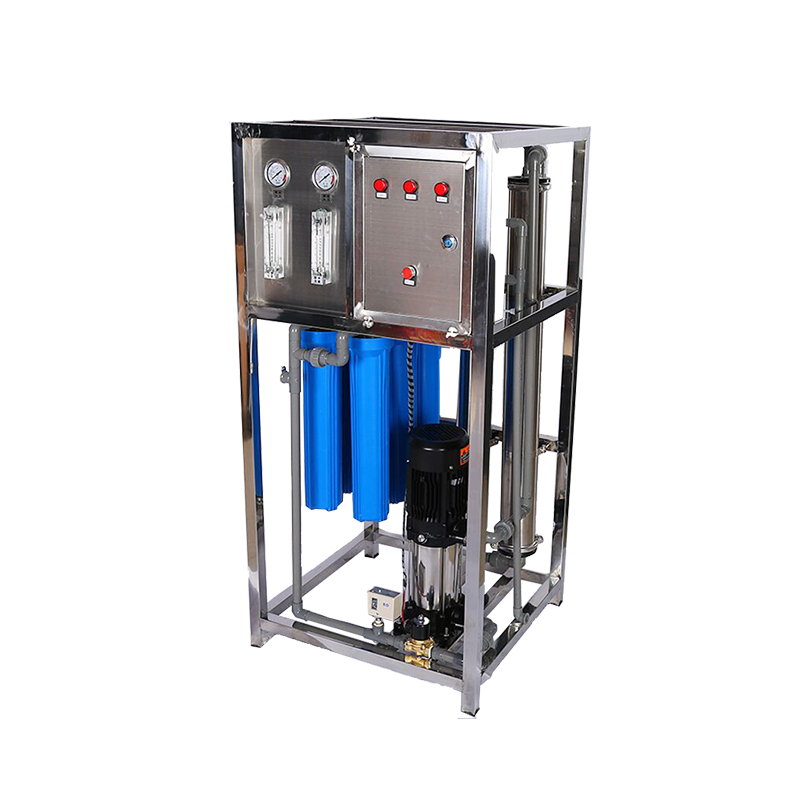
A 5-stage commercial reverse osmosis (RO) water purification plant rated for 500 liters per hour (LPH) of purified output — sized for continuous, higher-volume use in factories, offices, restaurants, bottled-water operations, and other commercial or institutional settings where a household RO unit isn't enough. The 5-stage layout is the standard commercial configuration: sediment and carbon pre-filtration ahead of the RO membrane stage, with a post-carbon polishing stage after it.
No price or physical specifications (weight, dimensions, pump/electrical rating) are set yet — none were provided, and this is a large enough system that guessing at them isn't a reasonable substitute for the real sourced numbers. Fill those in from the actual unit before publishing.
| Stage 1 — Sediment filter | Removes sand, silt, rust, and larger suspended particles |
|---|---|
| Stage 2 — Granular activated carbon (GAC) | Removes chlorine, odors, and organic compounds |
| Stage 3 — Carbon block (CTO) | Further taste/odor polishing; protects the membrane from residual chlorine |
| Stage 4 — RO membrane | The core stage — removes dissolved salts, heavy metals, bacteria, and viruses at a molecular level |
| Stage 5 — Post-carbon polishing | Final taste conditioning before the water reaches the point of use |
Reaching 500 LPH of continuous output takes more than a single under-sink cartridge set — commercial-scale RO plants at this capacity typically run a booster pump ahead of the membrane stage and multiple membrane elements arranged in parallel, mounted on a frame rather than fitted under a counter. Actual output depends on feed water pressure, temperature, and total dissolved solids — the 500 LPH figure is the plant's rated capacity under standard test conditions, not a guarantee under every feed-water condition.
| Rated output | 500 LPH (liters per hour) |
|---|---|
| Filtration stages | 5 |
| Intended use | Commercial / industrial |
A commercial plant at this scale needs an adequate feed water supply and pressure, an electrical connection for the booster pump, and space for the unit (plus a storage tank, if the installation calls for one). Pre-filters (the sediment and carbon stages) generally need more frequent replacement than the RO membrane itself, and actual replacement intervals depend on feed water quality.
وڌيڪ ڏسو